
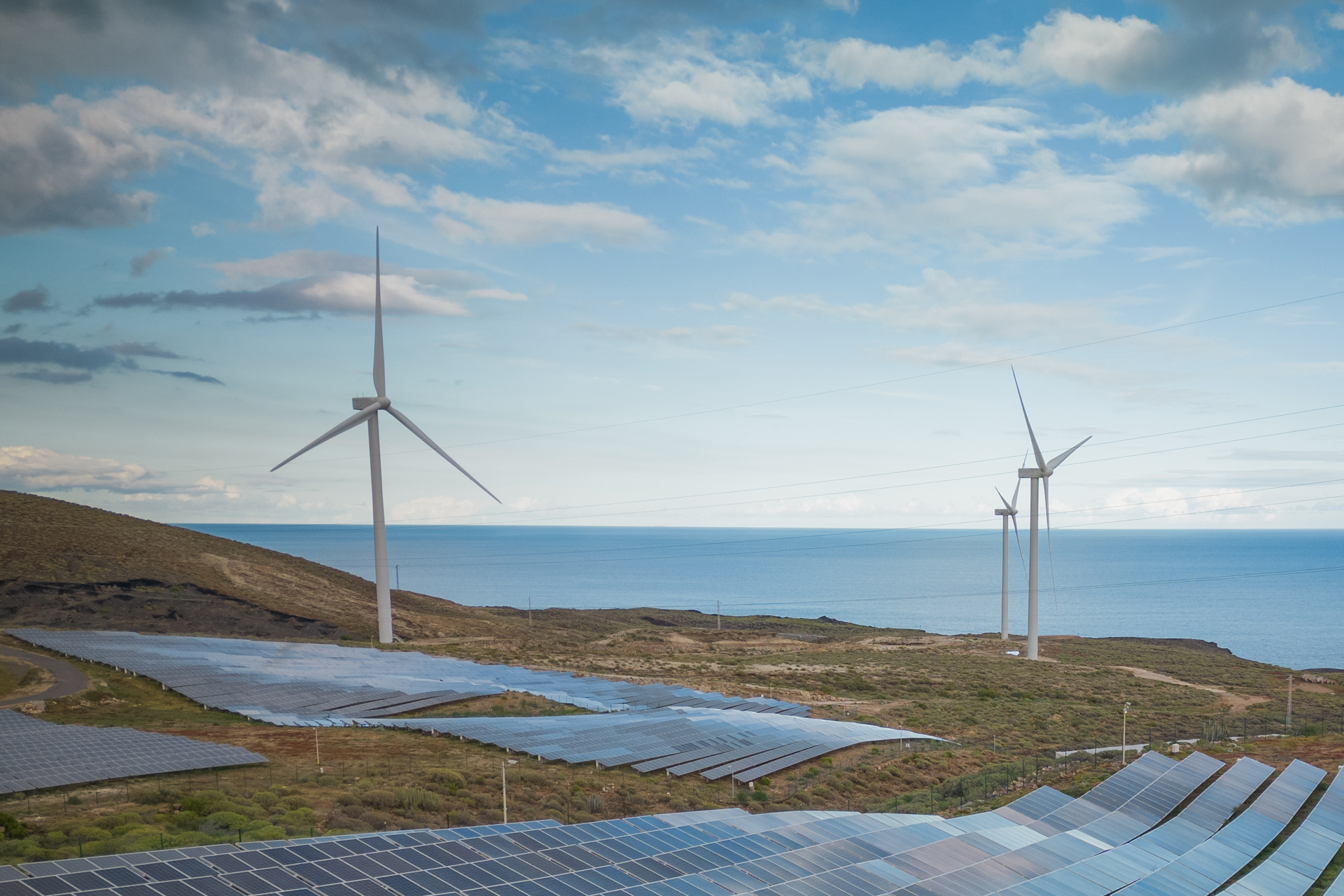
The world’s energy future lies in renewable energies. These energy sources are essential for reducing carbon emissions and combating climate change. Here we will explore the four most promising renewable energies and their future.
Solar Energy
Solar energy is one of the most accessible and popular renewable energy sources. It consists of converting sunlight into electricity using photovoltaic panels. Solar technology has advanced significantly in recent years, improving panel efficiency and reducing costs.
In the future, solar energy is expected to continue growing thanks to investments in research and development. The integration of solar energy into storage systems, such as high-capacity batteries, will enable a constant and reliable supply. Furthermore, the expansion of solar installations in urban and rural areas will contribute to the transition toward a more sustainable energy system.
Wind Energy
Wind farms have proven to be an effective solution for generating clean electricity. They use the force of the wind to spin the blades of a wind turbine, generating electricity. This energy source has experienced notable growth, especially in countries with extensive coastlines and open terrain.
With improving technology, wind turbines are becoming increasingly efficient and capable of operating in areas with lower wind speeds. In the future, wind energy could expand even further with the development of floating turbines that allow installation at sea, far from the coast. This advance will open new opportunities for harnessing wind in regions where land-based installations are limited.
Hydroelectric Energy
Hydroelectric energy harnesses the force of moving water to generate electricity. Dams and hydroelectric power plants have long been a reliable source of renewable energy. This technology is especially beneficial in regions with abundant water resources.
Innovations in hydroelectric energy focus on reducing environmental impact and improving efficiency. In the future, small-scale hydroelectric power and pumped water storage technologies could play a crucial role in energy supply. These solutions allow for better use of water resources while minimizing ecological impact.
Geothermal Energy
Geothermal energy uses heat from the Earth’s interior to generate electricity and provide heating. This type of energy is highly efficient and has a very low carbon footprint. However, its use is limited to regions with significant geothermal activity.
The development of geothermal energy focuses on improving drilling techniques and expanding its accessibility to new areas. The future of this renewable energy could lie in the implementation of advanced geothermal systems that allow its use in more locations. This would increase clean energy generation capacity and diversify the global energy mix.
In Conclusion…
The transition toward a sustainable energy future is fundamental for facing climate challenges. Renewable energies are a key piece in this transformation. Each of these sources plays a crucial role in diversifying energy supply and reducing greenhouse gas emissions. With technological advances and the support of appropriate policies, the future of renewable energies is promising and essential for a cleaner and more sustainable world.
At QALEON we have developed SineQia®, an innovative 360 platform that provides real-time monitoring of KPIs and performance metrics related to business sustainability.
With SineQia® drive the sustainability and performance of your company at every level through process optimization.