
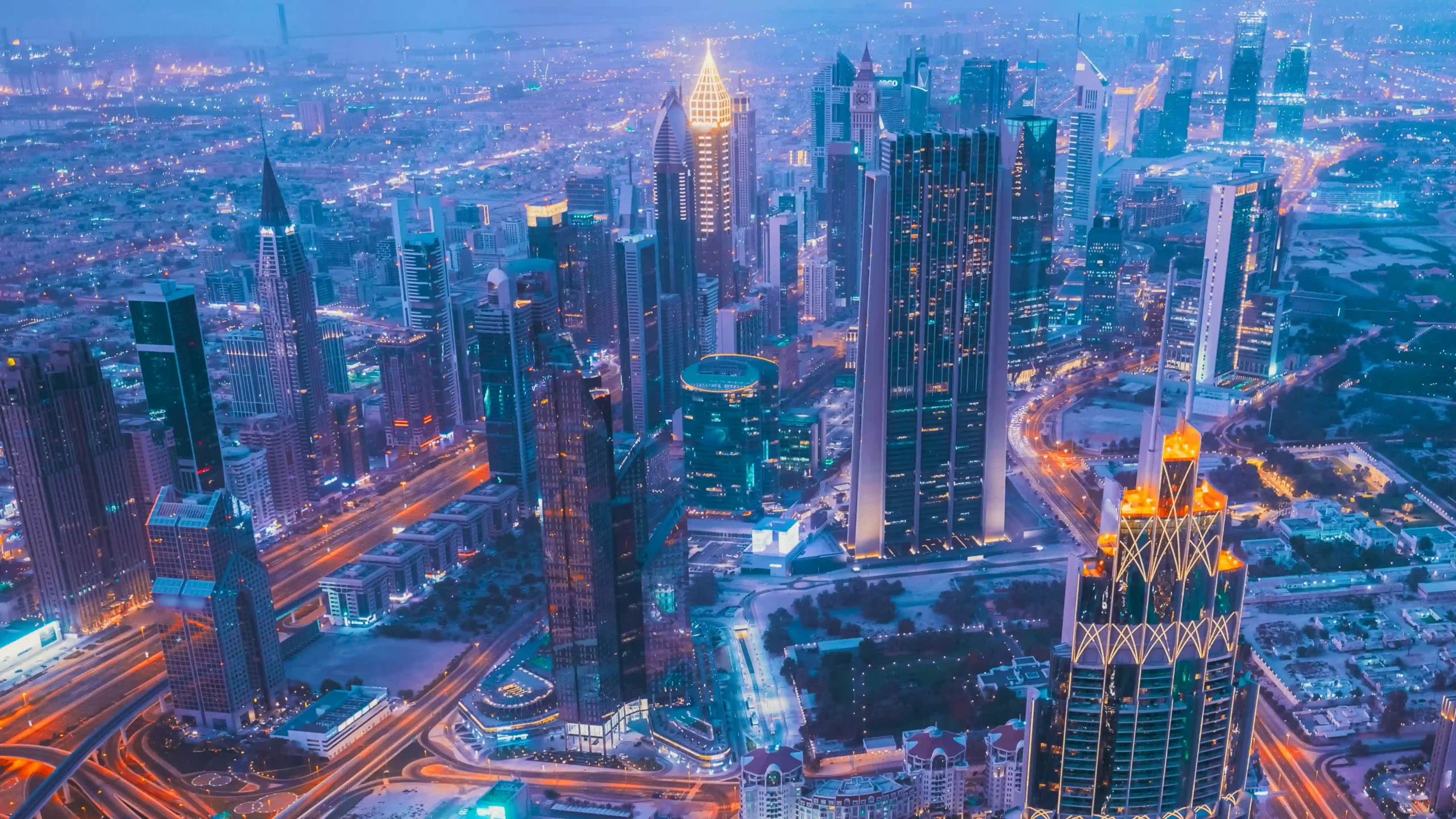
In an increasingly urban and connected world, smart cities are no longer a promise — they are an urgent necessity. According to several recent indices, the best-positioned cities combine technology, sustainability, quality of life, and civic-tech innovation. Here we review which cities these are, what sets them apart, the challenges they face, and why they are expected to shine through to 2026.
What is a Smart City and How is it Measured?
A smart city is one that uses digital technologies, connected infrastructure, data, and intelligent policies to improve the quality of life of its inhabitants, optimize resources, and efficiently manage urban services while reducing environmental impact. The key indicators for measuring a city’s level of intelligence include mobility (commute times, public transport, traffic), digital connectivity (internet speed, coverage, IoT), environment (air quality, green spaces, CO₂ emissions), digital public services (health, e-government, security), energy efficiency, and citizen participation.
Environmental sustainability is central to these cities, encompassing energy efficiency, climate change adaptation, water management, biodiversity, and ecological footprint reduction. However, technological accessibility remains a challenge — older people, remote areas, and less resourced communities can be left behind, making it critical to close these gaps through inclusive policies, affordable access, and digital literacy by 2026.
Selection of Outstanding Cities
The following cities appear frequently in recent rankings — such as the IMD Smart City Index 2025 and reports on sustainability, connectivity, and innovation — and are expected to maintain or improve their leadership heading into 2026.
Zurich, Switzerland. First place in the IMD 2025 index. Stands out for urban infrastructure, healthcare, governance, transport, and public services.
Oslo, Norway. High quality of life, strong commitment to sustainability, low pollution, and efficient connections.
Geneva, Switzerland. Constant improvement in services, green spaces, citizen well-being, and transparent public policies.
Dubai, United Arab Emirates. Strong investments in digitalization, green infrastructure, and intelligent municipal services.
Abu Dhabi, United Arab Emirates. Emphasis on governance, ecological diversification, and energy innovation.
London, United Kingdom. Robust technology ecosystem, startups, connectivity, smart public transport, and sustainable mobility policies.
Copenhagen, Denmark. A benchmark in green urban planning, active mobility, clean energy, and carbon neutrality.
Helsinki, Finland. Innovations in integrated mobility, open data, citizen participation, and energy efficiency.
Singapore. High sensor density, traffic management, and advanced digital services.
Barcelona, Spain. A European example: smart public lighting, waste management, smart parking, and urban mobility policies.
Factors That Distinguish These Cities
These are some of the key characteristics that make them leaders and allow them to project growth through to 2026.
Advanced digital infrastructure, including 5G networks, IoT (Internet of Things), urban sensors, and digital twins. Sustainable and integrated mobility through efficient public transport, promotion of bicycles and electric vehicles, and multimodal transport applications. Clean energy and energy efficiency through the use of renewable sources, green-certified buildings, smart lighting, and energy demand management. Water and waste management through optimization, recycling, pollution reduction, and efficient treatment. Citizen participation and transparent governance through access to open data, applications connecting citizens with municipal decisions, and participatory public policies. Quality of life encompassing security, health, green spaces, air quality, and affordable housing.
Common Challenges Heading into 2026
Although well-positioned, these cities face challenges they will need to resolve to maintain their advantage. Equity and the digital divide require not only providing infrastructure, but ensuring all citizens can access and use technologies. The cost of living in highly innovative cities tends to drive up prices for housing, services, and transport, which can generate inequalities. Data privacy and security demand responsible handling of citizen data, regulation, and cybersecurity. Climate resilience requires adaptation to climate change, extreme weather events, flooding, and heat waves. And sustainable financing means maintaining sufficient investment, mixed public-private models, and incentives for continuous innovation.
Trends That Will Shape the Path to 2026
Some of the trends shaping up to be decisive include the integration of AI and predictive analytics to anticipate service failures, optimize traffic, and manage energy; the expansion of urban digital twins that allow climate or mobility scenarios to be simulated for decision-making; greater use of electric mobility, autonomous vehicles, and Mobility as a Service (MaaS); a focus on the 15-minute city (or five-minute city), bringing essential services closer to neighborhoods to reduce commuting; and zero-carbon or neutrality policies, urban climate agreements, green infrastructure, green roofs, and urban green spaces.
Conclusion
The cities that top the rankings heading into 2026 have one thing in common: strategic vision, political will, commitment to sustainability, openness to technological change, and a focus on people. Zurich, Oslo, Dubai, London, Singapore, Barcelona, and others show how innovation, well-being, and environmental responsibility can be integrated.
For those cities aspiring to join that group, adopting technologies is not enough — it is about integrating those tools with participatory governance, social justice, and climate resilience.