
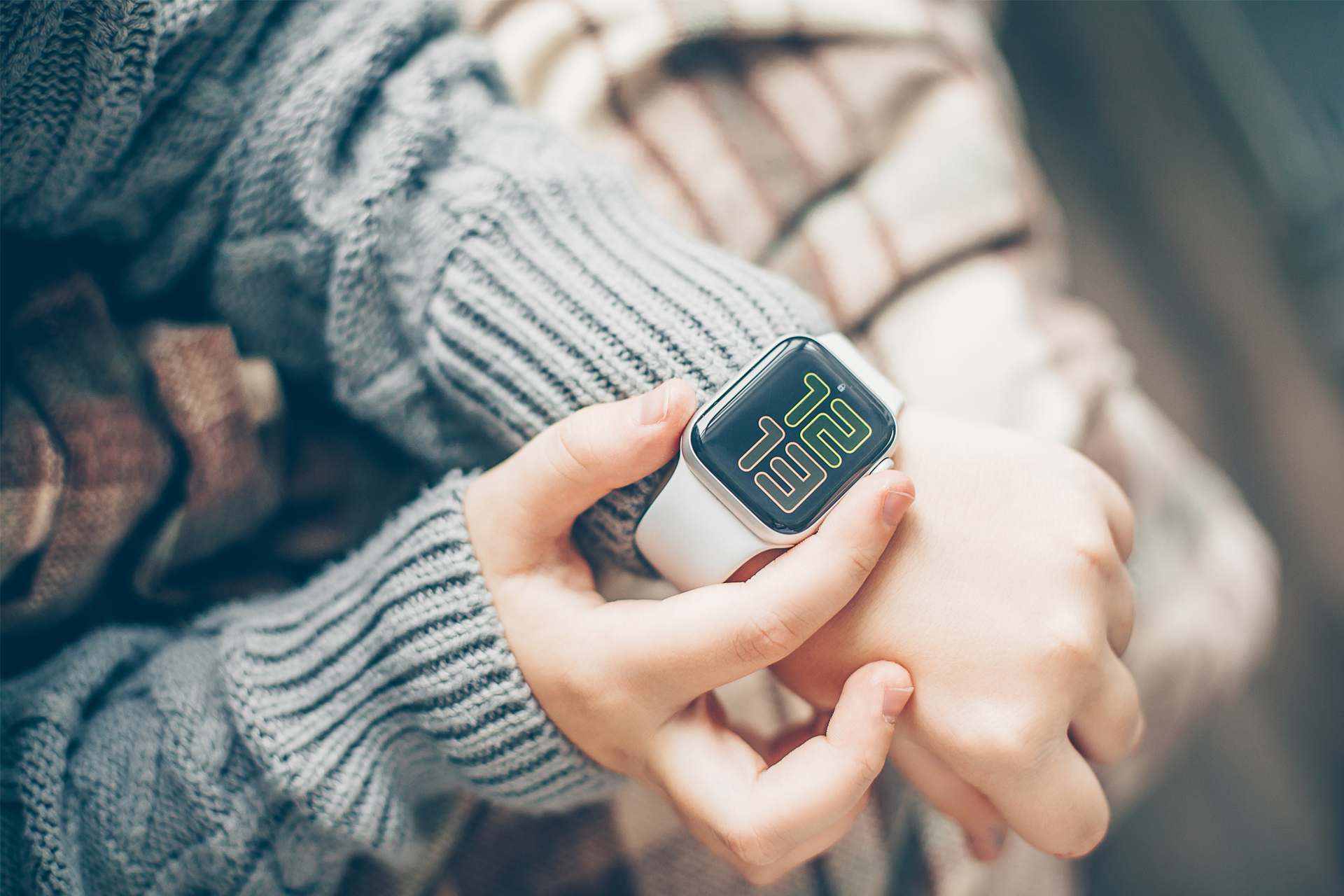
Smart accessories have transformed the way we interact with technology. These devices, which integrate seamlessly into our everyday attire, have improved various aspects of life, from health to productivity. But what can we expect from the future of this evolving technology?
1. Advances in Smart Accessory Technology
Although smart accessories are not an entirely new idea, recent advances are boosting their capabilities. With more sophisticated sensors and longer-lasting batteries, the possibilities for their application are expanding rapidly.
More sophisticated sensors: One of the most important advances is the improvement in smart accessory sensors. These devices can now measure everything from heart rate to sleep quality, providing valuable information about our health. In the future, sensors will be more precise and will be able to detect health problems before visible symptoms appear.
Improvements in battery life: Another key challenge is battery life. Solutions are currently being researched to improve the energy efficiency of smart accessories. In some cases, there is even an effort to develop devices powered by energy produced by the body itself, such as heat or movement.
2. Applications in Health and Wellbeing
The healthcare sector is one of the greatest beneficiaries of smart accessories. From watches that monitor exercise to devices that track vital signs in real time, these tools have given people a greater ability to manage their wellbeing.
Real-time health monitoring: Smart accessories already offer a detailed view of the user’s health. In the future, these devices are expected not only to record information, but also to provide personalized recommendations. This could include alerts about habits that need to change or recommendations for medical consultations.
Disease prevention: One of the greatest advances on the horizon is the use of these devices to prevent illness. Smart accessories could detect changes in vital patterns that indicate risks of diseases such as diabetes or heart problems, enabling early intervention.
3. Smart Accessories in Work and Leisure
Beyond their impact on health, smart accessories are changing the work environment and the way we enjoy our free time. From increasing productivity to offering new forms of entertainment, the applications are diverse.
Examples of smart accessories on the market: There are various smart accessories on the market that illustrate the evolution and application of this technology. Some of the most notable include:
- Smartwatches: Devices such as the Apple Watch and Samsung Galaxy Watch allow users to monitor physical activity, heart rate, and receive phone notifications. They also offer sleep tracking functions and can alert users to potential health issues.
- Activity trackers: Devices such as Fitbit and Mi Band focus on tracking physical activity and general health. These accessories are ideal for those who want simpler and more accessible control over their habits.
- Augmented reality glasses: Products such as Google Glass or Vuzix glasses allow users to interact with digital information overlaid on the real world, facilitating work and entertainment tasks.
- Smart headphones: Devices such as AirPods Pro and Galaxy Buds offer noise cancellation, hearing health monitoring, and connectivity with virtual assistants, enhancing the user experience.
- Health monitoring devices: Tools such as the Oura Ring and continuous glucose monitors continue to innovate by providing precise and personalized health data, allowing users to make informed decisions about their wellbeing.
Increased productivity: In the workplace, smart accessories are increasingly used to improve efficiency. For example, augmented reality glasses allow workers to visualize data without interrupting their tasks, which is invaluable in sectors such as manufacturing and engineering.
Innovation in entertainment: In the world of entertainment, smart accessories are revolutionizing experiences. With the integration of technologies such as augmented and virtual reality, these devices enable immersive experiences in both video games and live events. Users can interact with their digital environments in ways never seen before.
4. Future Challenges and Opportunities
Despite all the advances, smart accessories still face significant challenges that must be addressed to reach their full potential. Privacy and accessibility issues remain crucial for their widespread adoption.
Data privacy: One of the greatest challenges for the future of smart accessories is data security. By collecting sensitive information about users, such as their location or medical data, it is vital that robust protection systems exist. Companies are investing in advanced security solutions to guarantee the protection of personal data.
Usability and accessibility: Furthermore, it is essential that these devices be accessible and easy to use for a diverse audience. Technology companies must think about how to design smart accessories that are not only functional, but also affordable and easy to understand for all types of users.
In Conclusion
The future of smart accessories is exciting and full of possibilities. With advances in sensors, batteries, and applications, these devices are expected to continue improving the way we manage our health, work, and entertainment. However, privacy and accessibility challenges will need to be addressed for their use to be truly inclusive and universal.
At QALEON we understand the importance of staying at the technological forefront. That is why we have developed SineQia®, an innovative 360 platform that provides real-time monitoring of KPIs and performance metrics related to business sustainability.
With SineQia® your business can make the most of the advantages of AI to optimize processes, improve collaboration, and open new growth opportunities. Don’t get left behind in the evolution of the future of work.
Contact us and discover everything QALEON can do for your company.