
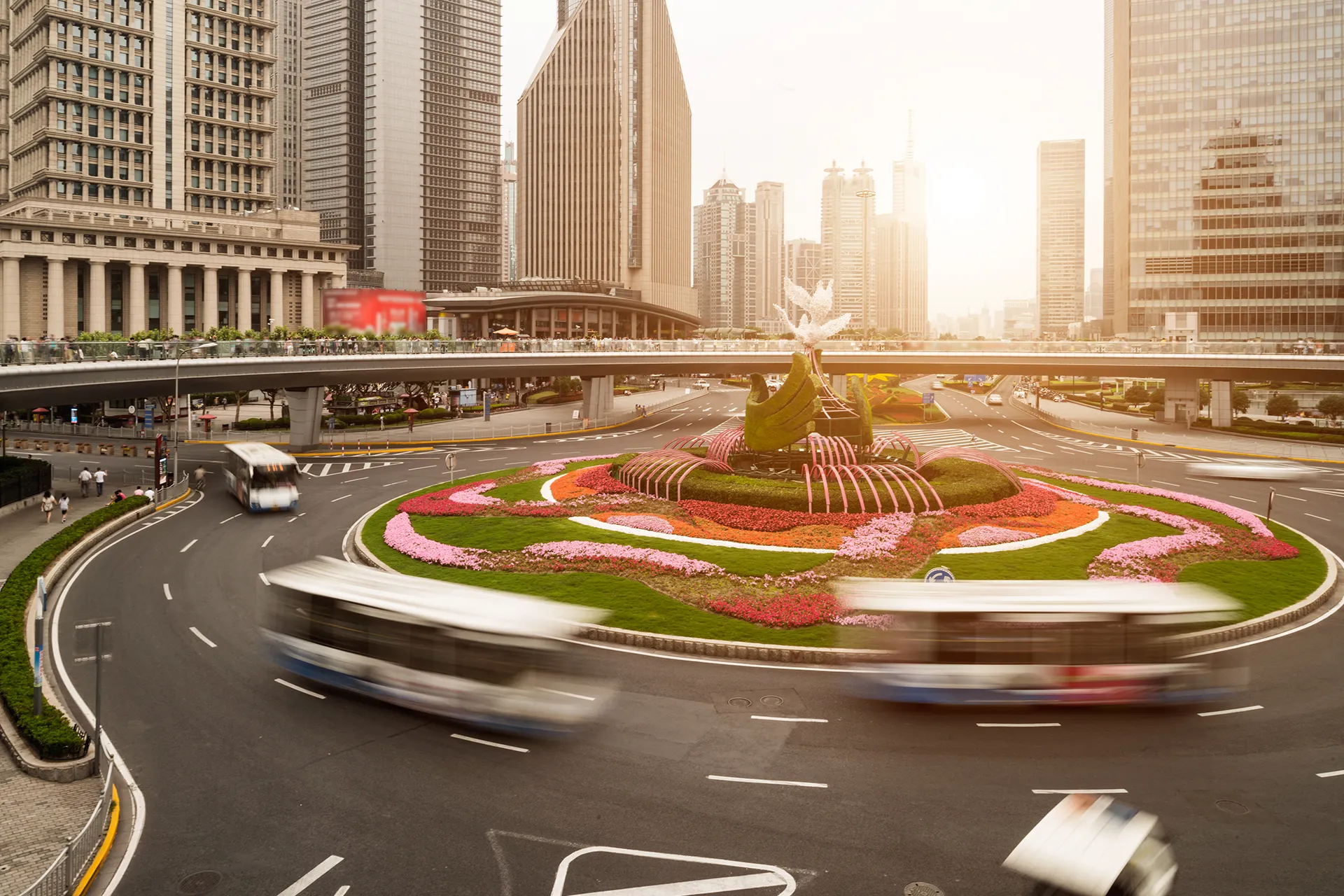
The future of cities is changing rapidly. Major urban centers face significant environmental challenges, and one of the main problems is transportation. Private cars are responsible for a large share of pollution and traffic congestion. But is it possible to imagine a city without cars? This concept is gaining ground as more sustainable transport solutions continue to emerge.
Challenges We Face
In many cities around the world, traffic and air pollution have reached alarming levels. CO2 emissions from vehicles are one of the factors contributing to global warming. According to the Spanish Ministry for Ecological Transition, the transport sector accounts for 30.7% of total greenhouse gas emissions in Spain. The need to shift toward cleaner and more efficient transportation has never been more urgent.
Many European cities are promoting the use of quality public transport. Cities like Copenhagen and Amsterdam have invested heavily in cycling infrastructure. This car-free city model also encourages the use of electric and shared vehicles. In some countries, electric bicycles have been adopted as a more comfortable option for urban commuting.
The use of public transport is key to reducing dependence on cars. For this option to be effective, the public transport system must be efficient, accessible, and affordable. In cities like Tokyo, the metro and bus networks operate punctually and efficiently, offering a genuine alternative to private cars. The key is for public transport to become an attractive option for the majority of citizens.
Emerging technologies, such as autonomous and electric vehicles, also have the potential to transform urban transportation. Autonomous vehicles could reduce the need for private cars, while electric vehicles would contribute to a significant reduction in emissions.
The Future of Mobility
Reducing the number of cars in cities does not only bring environmental benefits — it also improves the quality of life for residents. Car-free cities can be quieter, safer, and healthier. A reduction in traffic decreases accidents and encourages a more active lifestyle, with more spaces for walking and cycling.
Infrastructure design is also crucial. Creating safe cycle lanes, pedestrian zones, and green spaces is fundamental to allowing citizens to move around without needing a car. The interconnection between different modes of transport — such as bicycles, trains, and buses — is also essential for achieving efficient mobility.
Despite the advances, the transition toward car-free cities is not straightforward. Many citizens depend on private vehicles for their daily commutes, and in many parts of the world, access to public transport is limited or non-existent. A comprehensive approach is therefore needed, combining improvements to public transport, technology, urban planning, and social awareness.
Furthermore, the transition toward a car-free city must be inclusive. It is crucial that all people, regardless of their socioeconomic status, have access to sustainable means of transport. The most disadvantaged neighborhoods are often the most affected by the lack of public transport options. Ensuring that everyone can benefit from this change is a challenge that must be addressed seriously.
Conclusion
The future of sustainable urban transport is full of possibilities. While the complete elimination of cars may seem like a distant goal, cities are already taking steps to reduce their impact. Sustainable transport is a priority for the future, and the road toward a car-free city is full of challenges, but also of opportunities. With appropriate public policies, support for new technologies, and a focus on active mobility, cities can become more sustainable and enjoyable places to live.
At QALEON, we are committed to technological advancement to revolutionize the industry through sustainability. That is why we have developed SineQia®, an innovative 360 platform that provides real-time tracking of KPIs and key metrics related to business sustainability.
With SineQia® you can make informed decisions based on accurate data, optimize your processes, and meet your sustainability objectives efficiently and transparently.