
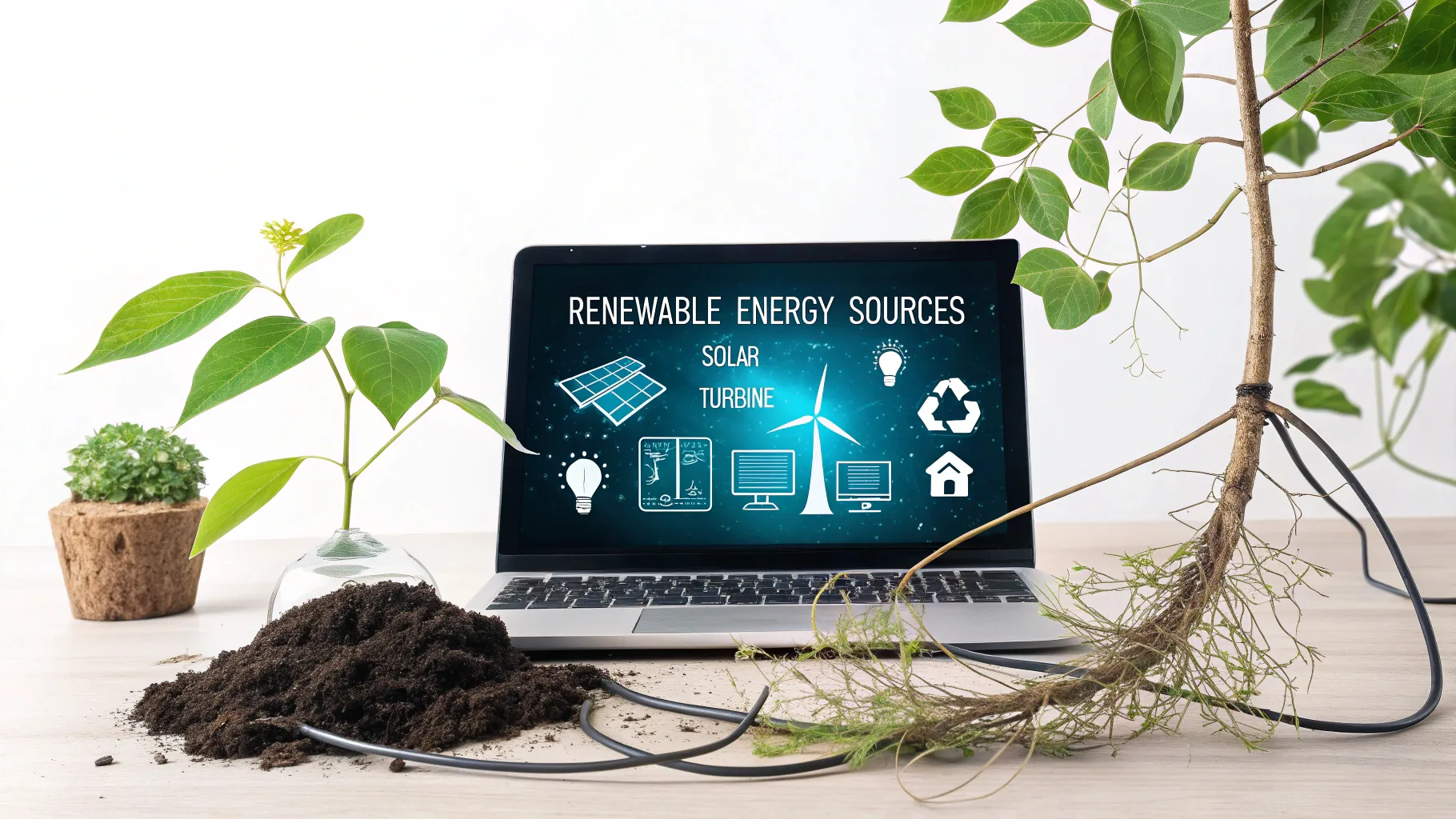
Green computing seeks to reduce the environmental impact of information technologies. This concept promotes energy efficiency and sustainability in the use of computers and technological systems. In an increasingly digitalized world, this approach becomes crucial for mitigating the ecological footprint.
Environmental Benefits
Green computing offers significant environmental benefits, starting with the reduction of energy consumption. By using more efficient equipment and adopting optimization practices, the demand for electricity from non-renewable sources is reduced, which lowers greenhouse gas emissions. This not only combats climate change, but also relieves pressure on energy infrastructures, resulting in a cleaner and healthier environment.
Furthermore, the proper management of electronic waste prevents soil and water contamination. Electronic devices contain heavy metals and chemicals that can be harmful if not handled properly. By encouraging the recycling and reuse of these components, environmental impact is minimized and ecosystem health is protected, ensuring a safer environment for both people and wildlife.
Strategies for Implementing Green Computing
- Energy efficiency: Choosing equipment with energy efficiency certifications ensures that the least possible amount of energy is used without compromising performance. In addition, server virtualization allows multiple machines to be consolidated into one, reducing energy consumption and the need for additional cooling.
- Software optimization: Ensures that programs and operating systems function more efficiently. Incorporating advanced cooling techniques, such as liquid cooling, and using renewable energy to power data centers are additional practices that contribute significantly to sustainability. These actions not only help reduce environmental impact, but also promote more economical management of technological resources.
Emerging Trends
Artificial intelligence and machine learning are revolutionizing green computing. These technologies optimize resource use and improve energy efficiency. Furthermore, the development of new materials and cooling techniques promises significant advances in reducing environmental impact.
Despite the progress, challenges exist. The widespread adoption of green technologies can be costly. However, the opportunities outweigh the obstacles. Growing environmental awareness is driving innovation and investment in sustainable solutions.
In Conclusion…
Green computing is a vital trend for the future of technology and the environment. Adopting sustainable practices not only benefits the planet, but also offers long-term economic advantages. Every step toward greener computing contributes to a cleaner and more efficient world.
At QALEON we have developed SineQia®, an innovative 360 platform that provides real-time monitoring of KPIs and performance metrics related to business sustainability.
With SineQia® drive the sustainability and performance of your company at every level through process optimization.