
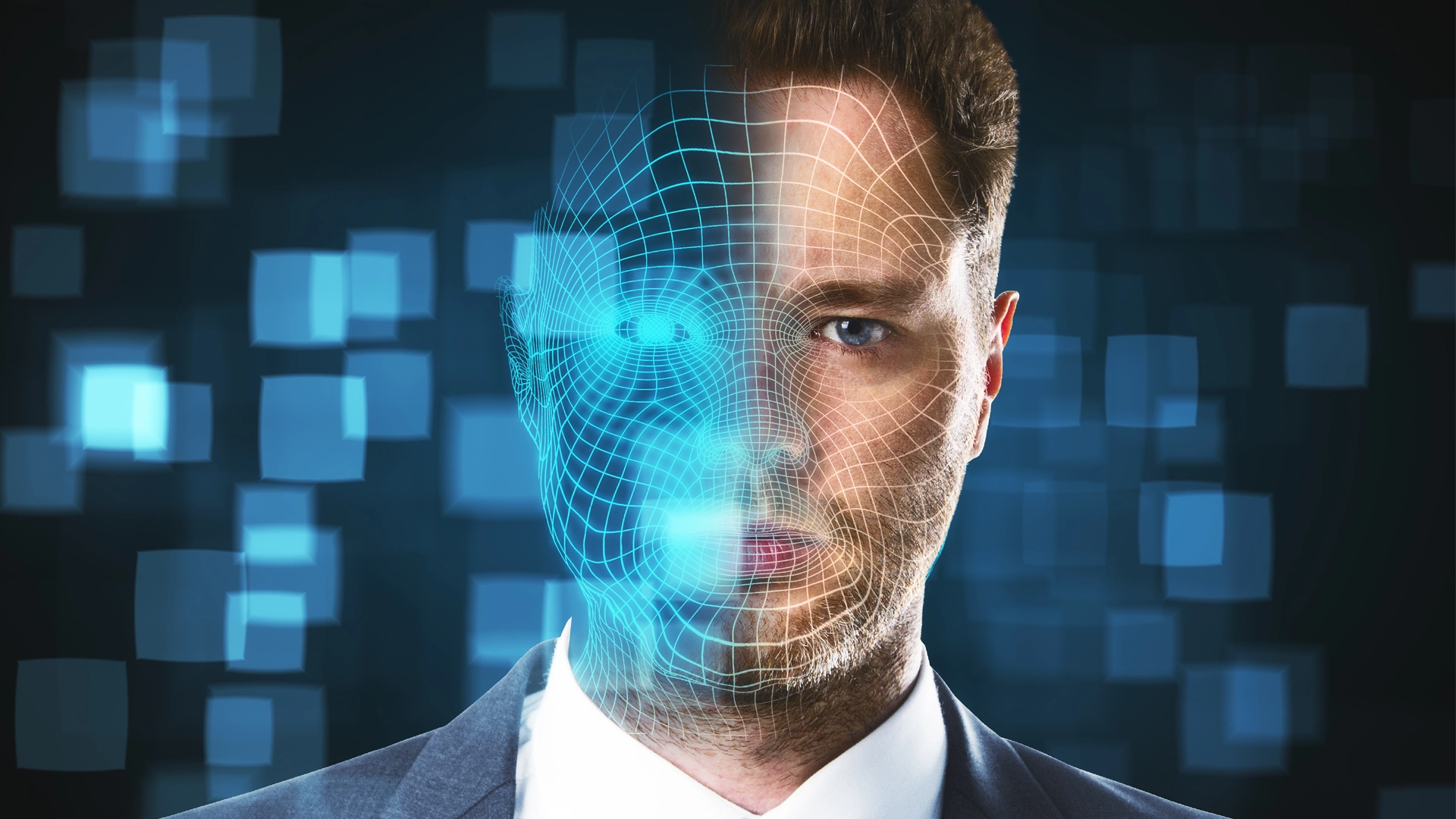
A video call with your CFO can be fake, and nobody in the room would know while it’s happening. Corporate deepfake fraud has moved past novelty status into a real attack vector that combines cloned voices, synthetic video and time pressure to push through wire transfers, approve contracts or extract confidential data. The Arup case in Hong Kong, where a finance employee authorized a transfer after joining a video call in which every other participant was a deepfake of a company executive, showed that visual hierarchy and urgency no longer guarantee a digital interaction is real. This article covers how these attacks work, which sectors carry the highest exposure, and which controls actually reduce risk.
What Is Corporate Deepfake Fraud, and How Does It Differ From Phishing?
Corporate deepfake fraud is a category of cybercrime that uses AI-generated or manipulated audio, video or images to impersonate an executive, employee or supplier for financial or operational gain. Unlike classic phishing, it doesn’t rely on a suspicious link or a poorly written email: it exploits the trust built into seeing and hearing someone familiar, live, on a call.
Why Can’t a CFO Trust What They See on a Video Call?
Voice cloning models need only seconds of publicly available audio to generate a convincing replica. Paired with real-time synthetic video, they can simulate entire meetings. The target isn’t a machine — it’s a person trained for years to trust visual and auditory evidence.
Where Does This Type of Fraud Hit First?
Exposure isn’t evenly distributed across industries. In energy and utilities, a fake regional director can order an unscheduled maintenance shutdown over video, generating operational losses before anyone verifies the request. In banking and financial services, executives already see this risk rising: 51.6% of finance executives expect deepfake attacks to increase over the next twelve months.
How Does a Deepfake Attack Play Out on an Industrial Floor or a Power Grid?
The pattern repeats: apparent authority, a familiar channel, and urgency that blocks verification through another route. The fix isn’t distrusting every call — it’s designing processes that don’t rely solely on visual or vocal recognition.
Which Controls Actually Narrow the Exposure Window?
Secondary-channel verification, confirming any financial instruction received by video or voice through a separate channel, remains the most effective and least costly barrier. In HR, where remote interviews are now routine, the central question looks different.
How Does an HR Team Verify That a Remote Candidate Is Who They Claim to Be?
The answer isn’t purely procedural: it requires systems that cross-reference session metadata, behavioral patterns and identity documentation, rather than relying on an interviewer’s judgment alone. Without that automated cross-check, an impersonated candidate can clear several stages of a process undetected.
What Role Does Advanced Analytics Play in Early Detection?
Behavioral analytics systems can flag a transaction or instruction that deviates from a supplier’s or executive’s historical patterns, even when the video or audio looks legitimate. This detection layer doesn’t replace human judgment — it adds an objective signal that the eye alone can’t provide.
In Summary
Corporate deepfake fraud uses AI-generated audio or video to impersonate an executive, employee or supplier. It combines social engineering, voice cloning and time pressure to bypass human verification. Energy, industrial and financial services concentrate the most costly documented incidents so far. Secondary-channel verification and anomaly analytics meaningfully reduce the risk. No company is exempt, and the cost of a successful attack far exceeds the cost of prevention.
Qaleon builds advanced analytics and applied AI solutions that help detect anomalous patterns in transactions and communications before they turn into losses. If you want to explore how this applies to your business, let’s talk.