
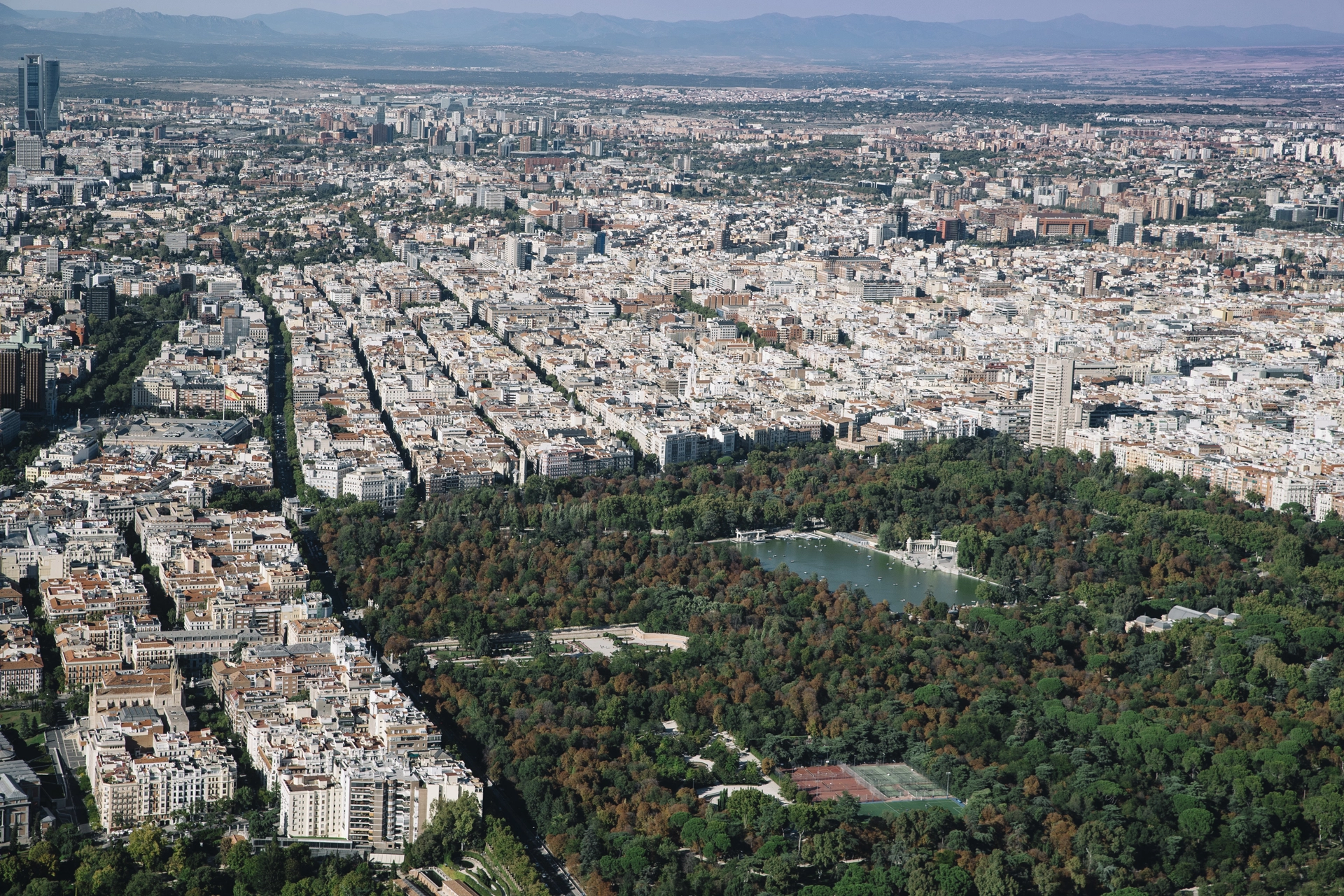
Biodiversity is not exclusive to remote jungles or ecosystems far from civilization. Increasingly, cities are transforming into dynamic ecosystems where wildlife and human life coexist in surprising ways.
This approach, known as urban biodiversity, not only redefines the way we understand our cities and our relationship with the environment, but also raises a new paradigm: transforming urban spaces into allies of ecosystems and sustainability.
What Is Urban Biodiversity?
Urban biodiversity refers to the variety of life, both animal and plant, that inhabits cities. From the small insects that pollinate the flowers on our balconies to the birds that nest in our parks, life finds its way into the most unexpected environments.
Biodiversity Finds Its Place in the City
Cities are generally seen as the antithesis of nature. However, although it may seem contradictory, cities can be surprisingly rich and complex ecosystems. From vertical gardens to green rooftops, urban infrastructures can serve as habitats for a wide variety of species: from migratory birds to small bodies of water.
Urban biodiversity is, in essence, an invitation to coexistence. According to recent studies, more than 20% of the world’s bird and plant species are present in urban areas. Identifying and enhancing these areas could be the key to making our cities greener and more sustainable.
Benefits of Integrating Biodiversity into Cities
Improved air quality and temperature reduction: Trees and plants act as natural filters, absorbing pollutants and reducing heat in cities through shade and evapotranspiration, helping to mitigate climate change.
Human wellbeing: Studies have shown that connection with nature improves mood, reduces stress, and encourages physical activity. Walking in a park or tending a community garden can have therapeutic benefits.
Natural pest control: By attracting natural predators such as birds and bats, green areas help control pests sustainably, reducing dependence on chemicals.
Environmental education: The presence of flora and fauna in cities offers opportunities to educate communities about the importance of biodiversity and respect for ecosystems.
Innovative Strategies for Biodiverse Cities
The key to fostering urban biodiversity lies in adopting innovative strategies that transform urban environments into living spaces. Some of these ideas include:
Rooftop gardens and green facades. More than an aesthetic trend, these solutions increase the available green surface area. Major cities such as Singapore and Paris have led the way with the implementation of green infrastructure in buildings.
Ecological corridors. These are green connections that allow species to move between parks and reserves, encouraging reproduction and genetic exchange. A notable example is the High Line in New York, a former railway line transformed into an elevated garden.
Support for urban agriculture. Community gardens not only strengthen food security, but also enrich soils and foster biodiversity.
Infrastructure for specific species. Artificial nests for birds, bat shelters, and insect hotels are examples of how cities can be designed with their non-human inhabitants in mind.
The Role of Companies in Urban Biodiversity
Not only governments and citizens have a role in this change. Companies, especially those operating in urban environments, can lead transformative initiatives. From creating greener offices to funding community projects, there are endless ways to contribute.
How? Through corporate social responsibility projects that integrate green solutions, investing in sustainable technologies, and educating consumers about the importance of protecting biodiversity. Furthermore, supporting these kinds of initiatives is not only beneficial for nature, but also helps improve brand perception, positioning it as a leader in environmental responsibility and sustainability.
In Conclusion
Urban biodiversity is much more than a passing trend — it is an investment in our future. Each one of us can contribute to creating greener and more sustainable cities. From planting a tree on our balcony, creating an urban garden, or participating in volunteer activities in our neighborhood, every action counts. Together we can transform our cities! And you — what are you doing to foster biodiversity in your city?
At QALEON we understand the importance of sustainability and the role of large companies in achieving greener cities. That is why we have developed SineQia®, an innovative 360 platform that enables real-time monitoring of KPIs and performance metrics, driving sustainability and efficiency across all areas of your company.
By integrating tools like SineQia®, you not only optimize your business, but invest in smart strategies that benefit both biodiversity and business productivity. Don’t get left behind in the evolution of the future of work. Dare to be part of this transformative change. Urban biodiversity is not just a trend — it is a necessity for the future of our planet. Are you ready to be part of the change?
Contact us and discover everything QALEON can do for your company.