
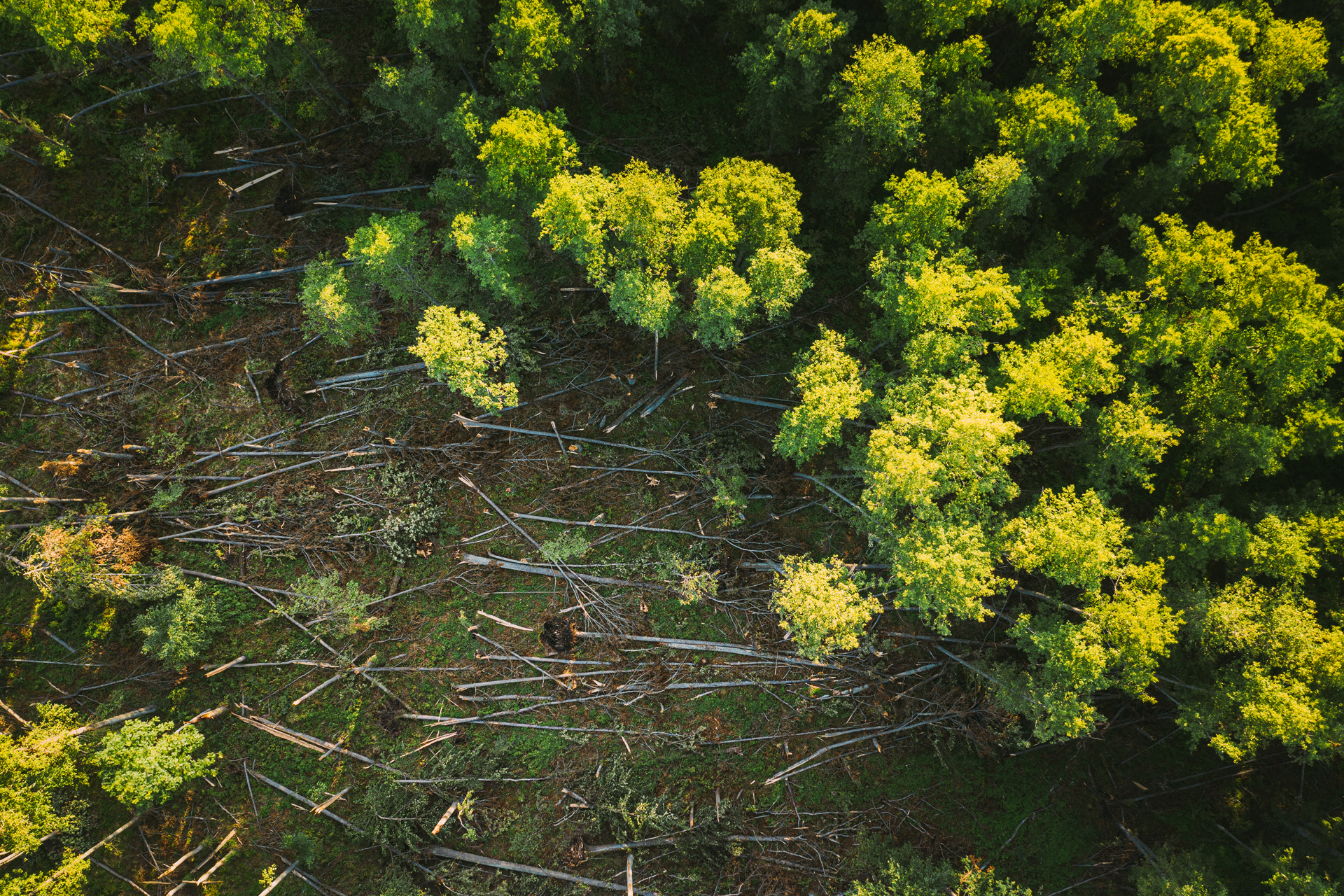
The EU Regulation on Deforestation-Free Supply Chains (EUDR), approved in 2023, is an essential regulation in the fight against deforestation and climate change. This regulation aims to ensure that products marketed in the European Union do not contribute to deforestation or forest degradation, both inside and outside the EU. In a world where sustainability has become a priority, the EUDR represents a significant effort to promote responsible business practices.
1. What Is the EUDR?
The EUDR establishes strict rules for the import and marketing of products considered high-risk in relation to deforestation. This includes products such as palm oil, soy, timber, cocoa, coffee, rubber, and livestock, as well as their derivatives. The regulation seeks not only to protect forest ecosystems, but also to mitigate the effects of climate change and preserve biodiversity.
2. Key Features of the EUDR
2.1 Product Coverage
The regulation focuses on products that are directly linked to deforestation. For example, palm oil is widely criticized for its environmental impact, as the expansion of plantations often involves the clearing of large areas of tropical rainforest. Similarly, the production of soy, used in animal feed and as a biofuel, has also led to deforestation in critical regions such as the Amazon. By including these products in the EUDR, the aim is to achieve more sustainable management of their production.
2.2 Obligations for Companies
Companies that import or produce these products must comply with strict «due diligence» obligations. This means they must trace their supply chain and ensure that products do not come from areas illegally deforested after December 31, 2020. This date serves as a reference point for assessing sustainability and establishes a clear framework for the regulation.
2.3 Verification and Traceability
To guarantee sustainability, companies must use geolocation data and provide detailed information about the origin of products. Traceability is essential in the supply chain, as it allows consumers and authorities to verify that products meet zero-deforestation criteria. Using technology such as satellite imagery and monitoring systems will facilitate this process and improve transparency.
2.4 Penalties for Non-Compliance
Companies that fail to comply with the provisions of the EUDR will face sanctions that may include significant fines or a ban on marketing products in the EU market. These measures are designed to ensure that all companies act responsibly and sustainably, thereby encouraging compliance with environmental regulations.
3. Environmental Impact
The primary objective of the EUDR is to reduce the EU’s environmental footprint and combat climate change. Deforestation is responsible for approximately 10% of global greenhouse gas emissions, so the regulation seeks to mitigate this impact by preventing products linked to deforestation from entering the European market. The preservation of forests is fundamental not only for the environment, but also for the communities that depend on them for their livelihoods and culture.
4. Challenges and Opportunities
Despite the potential benefits of the EUDR, there are also significant challenges in its implementation. Supply chains are often complex and global, making product traceability difficult. Companies must invest in technology and monitoring systems to meet the regulation’s requirements. However, these challenges represent opportunities to drive innovation in the supply chain. The implementation of the EUDR can incentivize the development of technological solutions that improve sustainability and operational efficiency.
In Conclusion
The EU Regulation on Deforestation-Free Supply Chains represents an important step toward a more sustainable future. By establishing clear and mandatory standards for product imports, the EU seeks not only to protect its own natural resources, but also to influence agricultural and commercial practices at a global level. This regulation is fundamental for promoting responsible supply chains and contributing to the fight against deforestation and climate change.
As the world faces the environmental crisis, the effective implementation of the EUDR will be crucial to ensuring a positive impact on our ecosystems. With the collaboration of companies, governments, and consumers, significant progress can be made in protecting forests and promoting sustainable trade, contributing to a healthier planet for future generations.
At QALEON, we know that the future depends on our actions toward the environment. That is why we have developed SineQia®, an innovative and comprehensive platform that enables real-time monitoring of your company’s environmental sustainability KPIs and metrics.
With SineQia®, drive environmental sustainability by optimizing processes and reducing the ecological impact of your operations.
Contact us and discover how QALEON can help your company move toward a greener and more responsible future.