
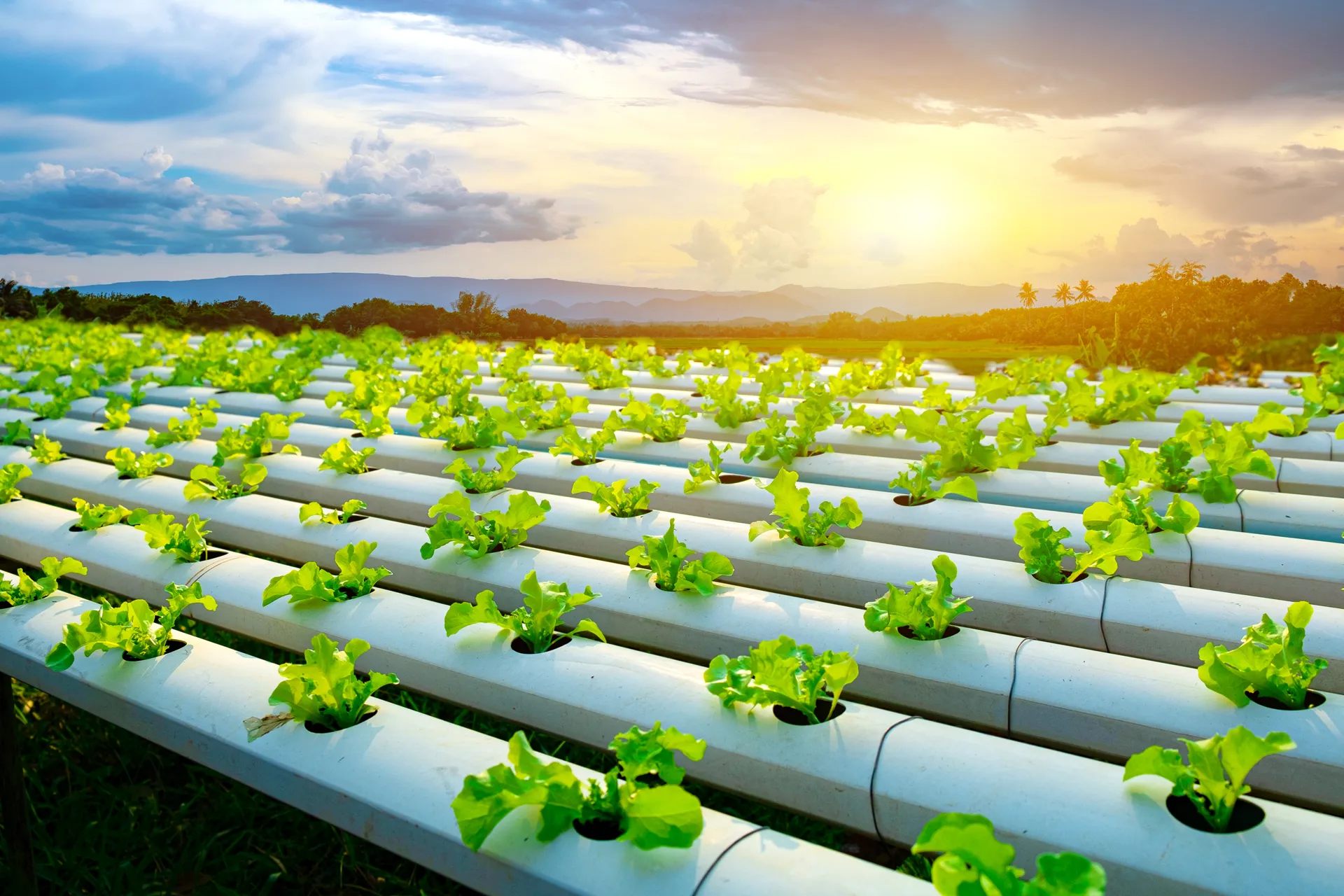
In an increasingly connected and technologically advanced world, agriculture is not being left behind. The term «Agriculture 4.0» refers to the application of digital technologies in the agricultural sphere, marking a new era in food production. But what does this concept really mean, where does it come from, and why is it so important for the future of agriculture?
What Is Agriculture 4.0?
Agriculture 4.0 is an evolution of traditional agriculture that integrates digital technologies such as the Internet of Things (IoT), artificial intelligence (AI), big data, robotics, drones, and automation. These tools enable real-time data collection and analysis, precise monitoring of soil and plant conditions, optimization of resources such as water and fertilizers, and the automation of agricultural tasks.
Where Does the Term «4.0» Come From?
The term «4.0» derives from the idea of the Fourth Industrial Revolution, which is driven by digitalization and the interconnection of systems. Just as the Industrial Revolution transformed manufacturing production in the 19th century, Agriculture 4.0 is transforming agriculture in the 21st century, driving greater efficiency, productivity, and sustainability in the agricultural sector.
Why Is Agriculture 4.0 Important?
Increased productivity: The adoption of digital technologies in agriculture makes it possible to optimize production processes, from planting to harvesting, increasing crop productivity and yield. This is crucial for feeding a constantly growing global population.
Efficient use of resources: Agriculture 4.0 enables more efficient use of scarce resources such as water, fertilizers, and energy. Through precise monitoring and management of soil and plant conditions, farmers can reduce waste and minimize the environmental impact of agriculture.
Resilience in the face of climate change: Digital technologies help farmers adapt to climate change by anticipating extreme weather events, optimizing irrigation, and selecting crop varieties that are more resistant to changing climate conditions.
Improved food quality and safety: Agriculture 4.0 enables continuous monitoring of crop quality, guaranteeing safer food free from contaminants. It also facilitates the traceability of agricultural products, from the field to the end consumer.
Reduction of the environmental footprint: By optimizing resource use and reducing the use of agricultural chemicals, Agriculture 4.0 contributes to reducing the environmental footprint of agriculture, promoting more sustainable and environmentally respectful practices.
In Summary…
Agriculture 4.0 represents an exciting opportunity to modernize and transform the way we produce food, ensuring food security, protecting the environment, and promoting a more sustainable future for agriculture and society as a whole.
At QALEON, we understand the importance of staying at the technological forefront. That is why we have developed SineQia®, an innovative 360 platform that provides real-time monitoring of KPIs and performance metrics related to business sustainability.
With SineQia®, drive the sustainability and performance of your company through process optimization.